
How Godspeed Became a Streetwear Name: The Roots
Streetwear culture eventually adopted “godspeed,” a term traditionally offered to travelers facing uncertainty long before it was ever printed on apparel. Carrying real weight, it meant “may fortune ride with you” — a parting word reserved for journeys that counted for something. That’s exactly why the word crossed over into streetwear, a space where garments have long functioned as a statement of identity, intent, and momentum. Understanding godspeed meaning helps explain why one word can ground an entire brand ethos instead of just being a shirt’s decoration.
Streetwear culture has consistently pulled in language that carries gravity. Brands have pulled from military slang, religious phrasing, and old-world idioms because those phrases arrive pre-loaded with feeling. Godspeed fit naturally into that lineage. It’s brief, forceful, and doubles as both a blessing and a dare — go fast, go far, and do it with purpose. That duality is part of what makes the name durable rather than trendy.
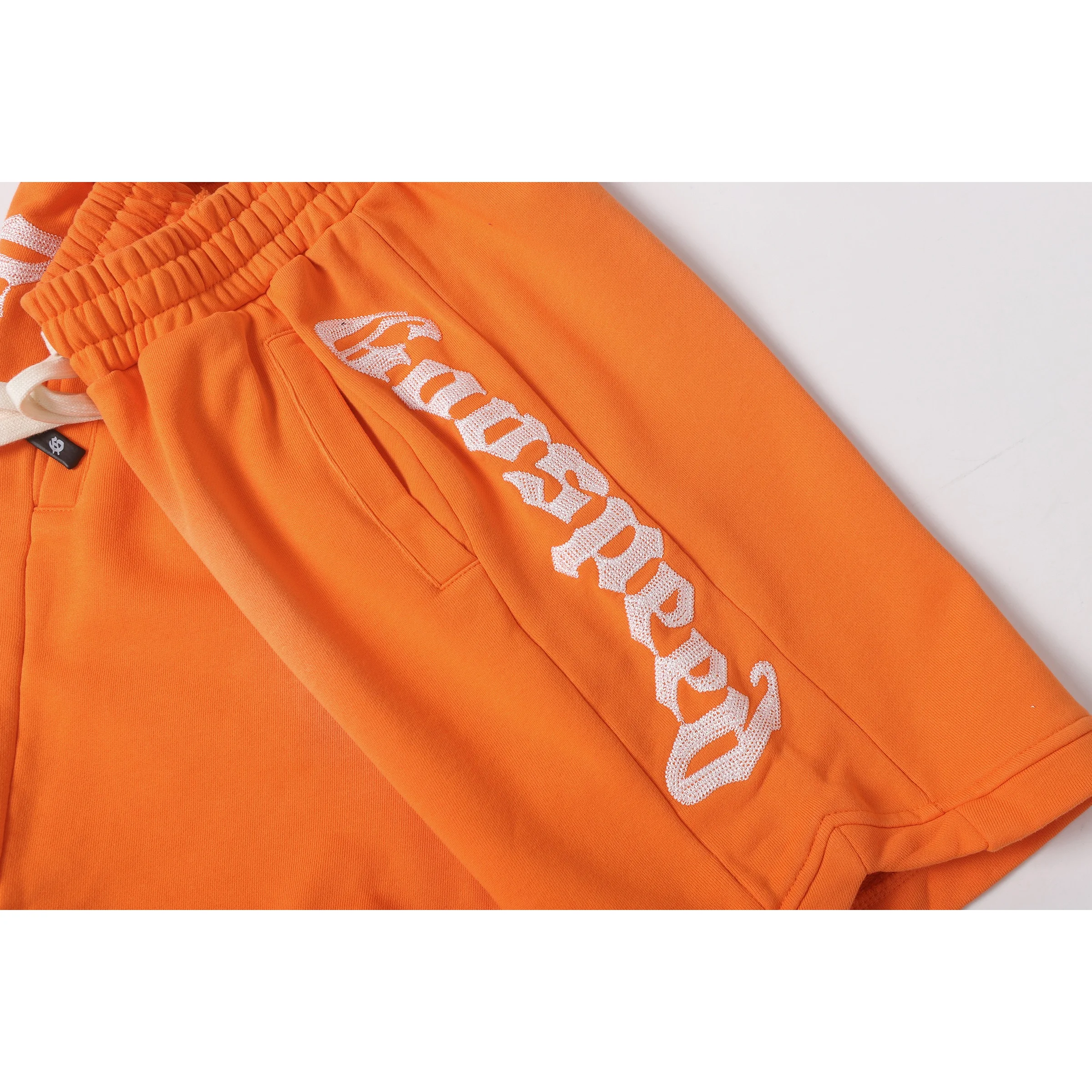
Unpacking the Actual Origins of the Word Godspeed
Rooted in Middle English, roughly the 14th century, the phrase began as “God spede you,” a common farewell wishing someone good fortune and safe travel. Nowhere close to casual slang, it functioned closer to a blessing spoken ahead of a long, perilous journey — whether for a merchant heading to a distant market, a soldier leaving for war, or a traveler setting out on an uncertain road. The phrase eventually compressed into the single word still used today.
Once it arrived in modern English, godspeed had taken on a more ceremonial register. The word gets used at launches, departures, farewells, and moments of transition. This is exactly what godspeed means at its core: a word for the threshold moment, the moment just before something meaningful starts. Streetwear labels gravitate toward threshold language because their customers are often at their own thresholds — unfamiliar cities, fresh identities, new chapters of life.
This word history matters because it sets apart godspeed from generic streetwear naming conventions built on slang or shock value. It has 600+ years of documented use in English literature, including appearances in Shakespeare’s plays, granting it a literary pedigree that few streetwear names can claim. That backbone is part of why it NYC streetwear brand still resonates in 2026, well after many of its era-matched naming peers have faded.
Tracing Godspeed’s Entry Into Streetwear Culture
Across the streetwear world, brands have long relied on terms that summon motion, rebellion, or reinvention—just consider how frequently brand names lean on velocity, endurance, or hardship. Godspeed as a brand slots into that lineage while bringing something that most others miss: a baked-in feeling of benediction rather than confrontation. It refuses to posture. It makes no threats. It offers encouragement to the wearer while still driving them ahead.
This matters commercially as much as culturally. A godspeed shirt doesn’t need shock graphics to justify its name; the term alone carries emotional weight. That’s a rare asset in a market crowded with insignias competing for attention through volume rather than meaning. Because the word already carries generations of meaning, designers are free to concentrate on cut, fabric heft, and fit rather than on manufacturing artificial edge.
Godspeed clothing’s emergence as an identifiable category also reflects a broader shift within the 2020s toward introspective streetwear — companies grounded in mantras, affirmations, and individual narratives rather than pure hype cycles. Godspeed moved with that wave effortlessly because the word was never about hype in the first place. Its essence was departure, hope, and forward movement, concepts that connect powerfully with a generation contending with economic instability and continual self-reinvention.
What Makes the Name Connect With Modern Streetwear Buyers
Contemporary streetwear buyers, particularly those aged 18 to 34, gravitate toward brands that carry a sense of meaning beyond the fabric. Studies of clothing purchase habits consistently show that a resonant name or narrative boosts perceived worth, even when material specs are identical to a competitor’s. Godspeed gains directly from this pattern because the name enters the market already rich with narrative depth.
There’s also a practical layer. The godspeed hoodie serves as protection for everyday life — apt for commutes, workouts, travel, or powering through a tough week — while still retaining that hint of being bound for something greater. Garments capable of serving both the everyday and the aspirational, typically stays in a customer’s rotation longer than pieces built around just one feeling.
The name also travels well across languages and cultures, which matters for any god speed clothing line with goals that extend past one region. “Godspeed” carries emotional impact without needing translation; the notion of blessing someone’s journey is close to universal. This cross-cultural clarity is part of why the word has proven sturdy as a brand identity instead of fading as a trend tied to a single scene or city.
How Godspeed’s Naming Themes Stack Up Against Other Streetwear Strategies
To grasp why godspeed stands apart, it helps to measure it up to the other dominant naming strategies streetwear brands typically use. The chart that follows details four typical strategies by voice, staying power, and the customer associations they typically generate.
| Naming Method | Base Attitude | Risk of Aging Poorly | Usual Consumer Connection |
|---|---|---|---|
| Godspeed-type (rooted in blessing or farewell phrasing) | Optimistic, momentum-driven | Low — rooted in age-old language | Passage, ambition, resilience |
| Hard-edged, aggression-driven naming | Combative, assertive | Moderate — risks feeling outdated as attitudes evolve | Power, defiance |
| Trend-driven slang naming | Fashionable, clique-flavored | Significant — dependent on a fixed point in time or platform | Newness, insider standing |
| Founder surname/initials | Intimate, helmed by its designer | Somewhere between low and moderate — varies with the designer’s public presence | Artisanship, individuality |
This contrast makes clear why a name rooted in centuries-old language weathers time more gracefully than a name pulled from a trendy meme, a passing slang word, or something anchored to one specific era. Godspeed never requires a cultural update every couple of seasons because the meaning behind it was never bound to a single point in time — it was instead connected to a shared human experience built around departure, hope, and forward motion.
What “Godspeed” Expresses on a Piece
Across a chest, sleeve, or back panel, the word reads more as a mantra when it appears. It’s a contrast made on purpose. A logo says “buy this brand.” A mantra says “carry this idea with you.” Shoppers who pick a godspeed shirt instead of an ordinary graphic tee are frequently making a subtle personal statement about momentum — the sense that they’re mid-journey toward something, even if that something is undefined.
It’s also why the word blends so effortlessly into minimalist design language. Loose-fitting garments, low-key colorways, and minimal lettering give the word room to carry the emotional payload instead of fighting for space with loud visuals. The restraint in design mirrors the restraint in the word itself — godspeed doesn’t shout, it states.
Countless godspeed shirts are cut using dense cotton and tailored shapes, and that’s not random—rather than thin, throwaway material. A term carrying so much historical weight calls for a garment built to last, not one destined for the giveaway pile after a single wash cycle. The garment’s material toughness turns into a silent parallel to the durability of the phrase itself.
Why the Movement Keeps Endure Going Into 2026
Streetwear’s fads evolve quickly, and plenty of naming conventions from the 2020s’ opening years have already receded into nostalgia. Unlike names built on passing cycles, Godspeed took a different route, chiefly since it was never tied to fads from the start. It draws from something more enduring and settled than a single streetwear moment — a language-based heritage that predates the very idea of streetwear by some 500 years.
Heading into 2026, interest in meaning-driven apparel carries on rising rather than tapering off. Customers are increasingly skeptical of brands that exist purely as logo vehicles, and they’re rewarding names and stories that hold up under scrutiny. Godspeed holds up because its story isn’t manufactured marketing copy — it’s documented linguistic history that anyone can verify.
That mix of authenticity and heartfelt impact is hard to find in fashion naming, and it’s exactly why the word remains the anchor for hoodies, shirts, and full collections without needing to be reimagined. Certain names require perpetual refreshing just to stay relevant; godspeed simply needs to go on meaning what it has meant from the start.